Thought Leadership Thursday
From Data to Action: How States Can Strengthen Financial Security
Thought Leadership Thursday Article
From Data to Action: How States Can Strengthen Financial Security
April 16, 2026
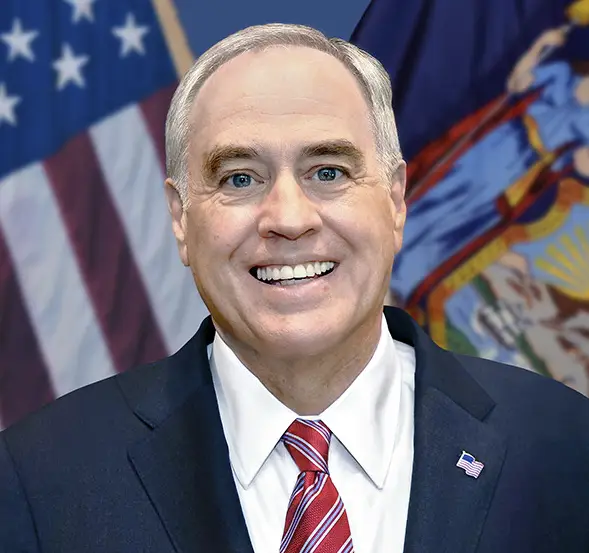
Thomas DiNapoli
New York State Comptroller
One benefit of belonging to the National Association of Treasurers (NAST) is the sharing of ideas and best practices among states. In December 2025, the Office of the New York State Comptroller published a report, The Financial Condition of New York Households: A Comparative Snapshot, which provides an overview of household financial health across the state. This work was inspired, in part, by the financial wellness scorecards published by the Office of the Oregon State Treasurer as well as the Tennessee Treasurer’s Office.
The Snapshot examined critical factors including income, assets, debt, poverty, public assistance, student loan delinquency, and utility arrears, and provides insight into how New Yorkers have fared in recent years, and how they compare to national trends. Along with the many audits and reports my Office releases each year, this report helps make the case for action—giving lawmakers, advocates, and the public the data they need to develop informed and effective policy solutions.
The report showed that while median household income in New York remained higher than the nation in 2023, median net worth was stagnant between 2019 and 2022 in the state, while it grew nationally. One reason is that New York has the lowest homeownership rate in the nation, which means many New Yorkers did not benefit from rising home values during this period. But it is also true that the median value of retirement accounts decreased during this time, a troubling statistic given increasing poverty rates among seniors in New York.
New York residents also face unique challenges such as high housing costs, with 3 million New Yorkers spending more than 30 percent of household income on housing. One in five households spend more than 50 percent of income on housing. This is one of highest rates of severe housing cost burden in the nation.
Other financial factors show the persistence of the affordability challenges in New York and across the nation. For example, food insecurity continues to be a significant problem for many families. The number of households receiving SNAP benefits rose to 16.2 percent in 2023 compared to the national average of 12.4 percent. Families are also struggling to save and manage rising debt.
One bright spot our snapshot highlighted was New York’s low share of residents without health insurance, at just 4.8 percent, compared to 8.6 percent nationally in 2023. This has been largely due to the state’s higher rates of enrollment in public health insurance programs.
However, actions taken in Washington to cut health care, food assistance, infrastructure and other critical programs threaten many of the essential programs and services the state provides, and this funding simply cannot be replaced by state taxpayers. The proposed New York State budget for State Fiscal Year 2026-27 quantified not only lost funding and increased costs for the state, but also the loss of health coverage and nutritional assistance for hundreds of thousands of New Yorkers.
Over the past year, I have reported on the vast array of services that federal funding supports, including health, education, transportation, public protection, the environment, and more. We update this data regularly, and will continue to monitor and report on the changing fiscal relationship between the federal government and New York State. This data shows that policymakers must contend not just with the immediate fiscal costs, but with a significantly altered fiscal landscape.
As State Treasurers and Comptrollers, we strive to ensure the financial health and strength of our economy and our communities. My hope is that by sharing and learning from the work of each of our offices, we can pave a path to enact policy changes that will improve household financial health and lead to thriving local economies.